

In 2024, as part of the iOS and Android apps team, we took on the challenge of redesigning one of our product’s core features: student activity management.
The feature was outdated in terms of technology, Design System, and overall experience. This directly impacted engagement, retention, and even the acquisition of new schools, given the product's B2B nature. Usage relied heavily on teachers, who often stopped encouraging students to use the tool due to its limitations.
Goals & Strategy — Our goal was to update the solution to the current Design System, migrate the codebase to Flutter, align user flows with the students' mental models, and make communication about activities clearer and more efficient. Beyond operational development gains, we aimed to improve the product's perceived value for schools and strengthen the teacher’s role as a key driver of student activation.
Discovery & Insights — During the discovery phase, we combined interviews with students and teachers, NPS feedback analysis, App Store reviews, benchmarking, and data analysis. Our initial hypothesis was that the pain point lay in the execution of activities. However, we discovered the problem started earlier: students didn't even know the activities existed or failed to understand their urgency.
Facing significant back-end capacity challenges, we maintained constant dialogue with technical teams to prioritize high-impact, viable changes, focusing our efforts heavily on the front-end and UX.
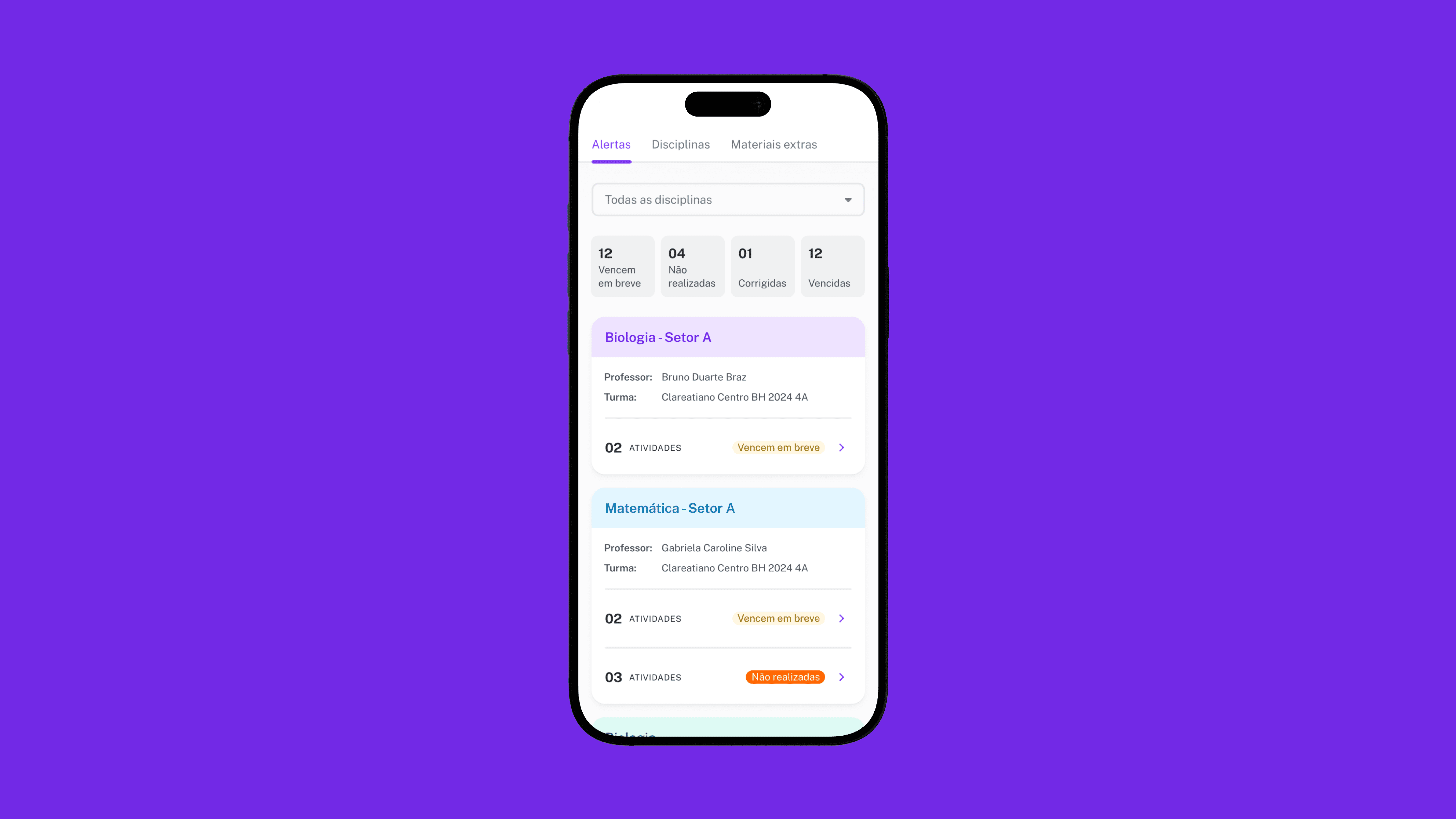
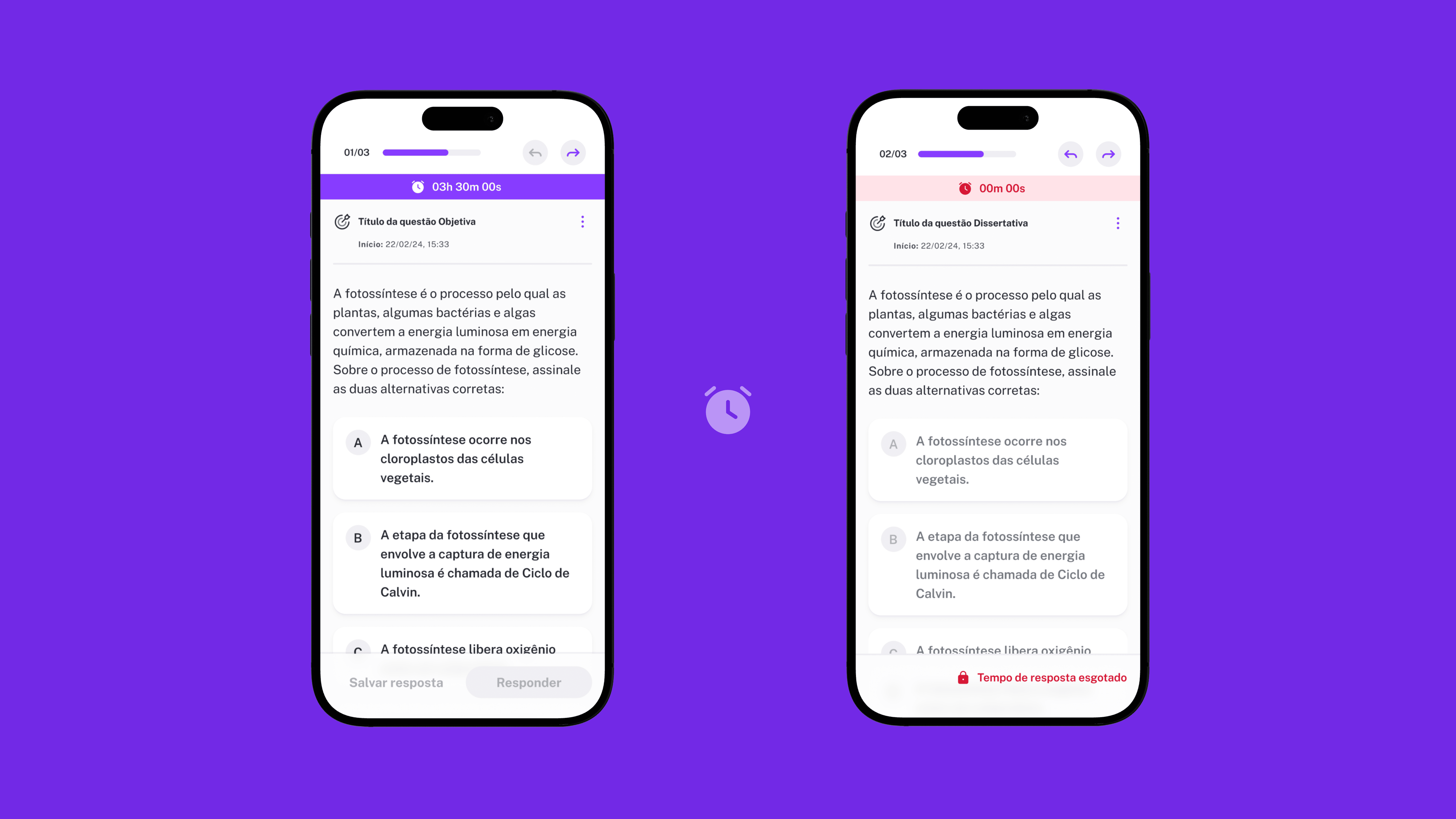
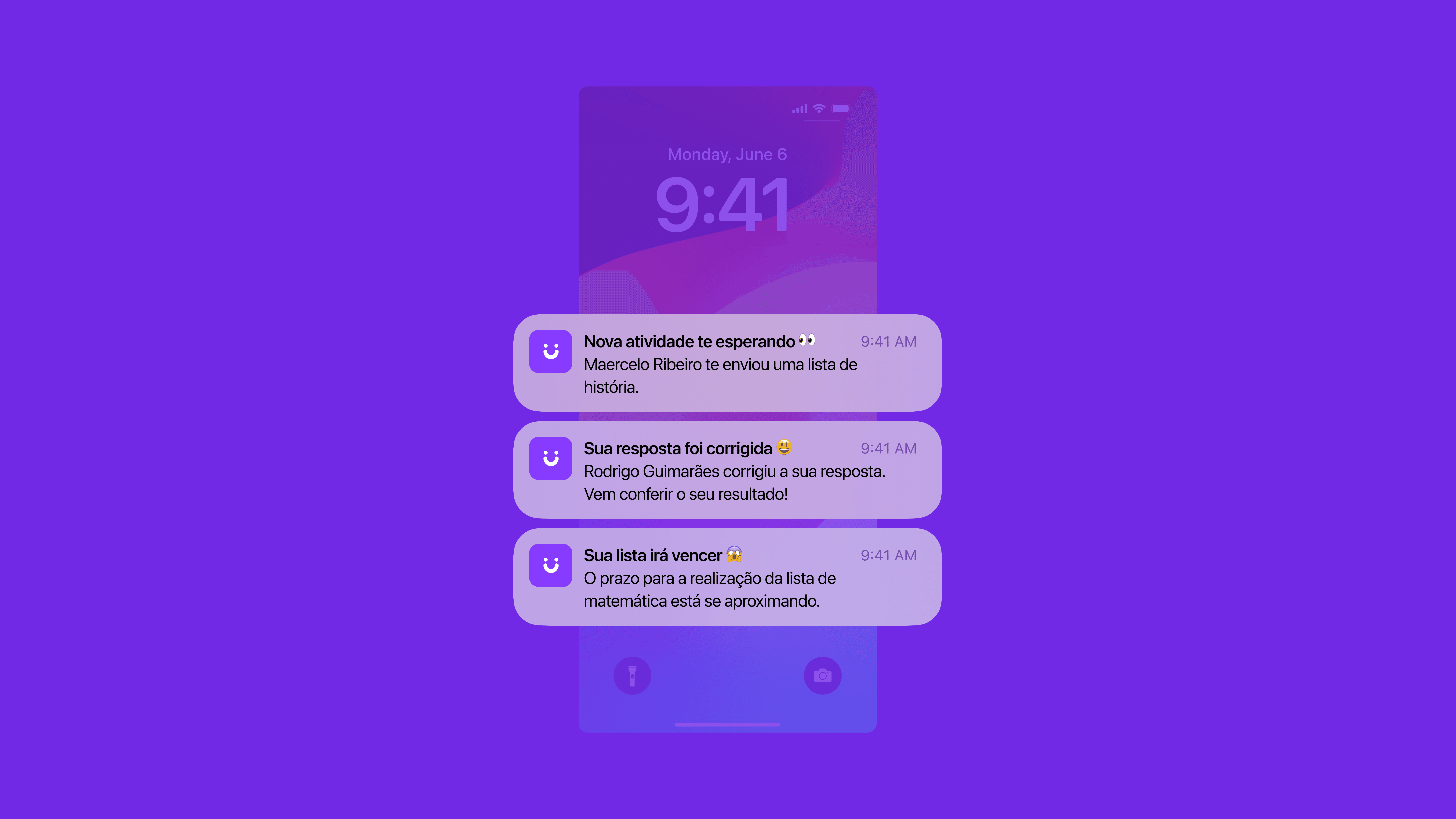
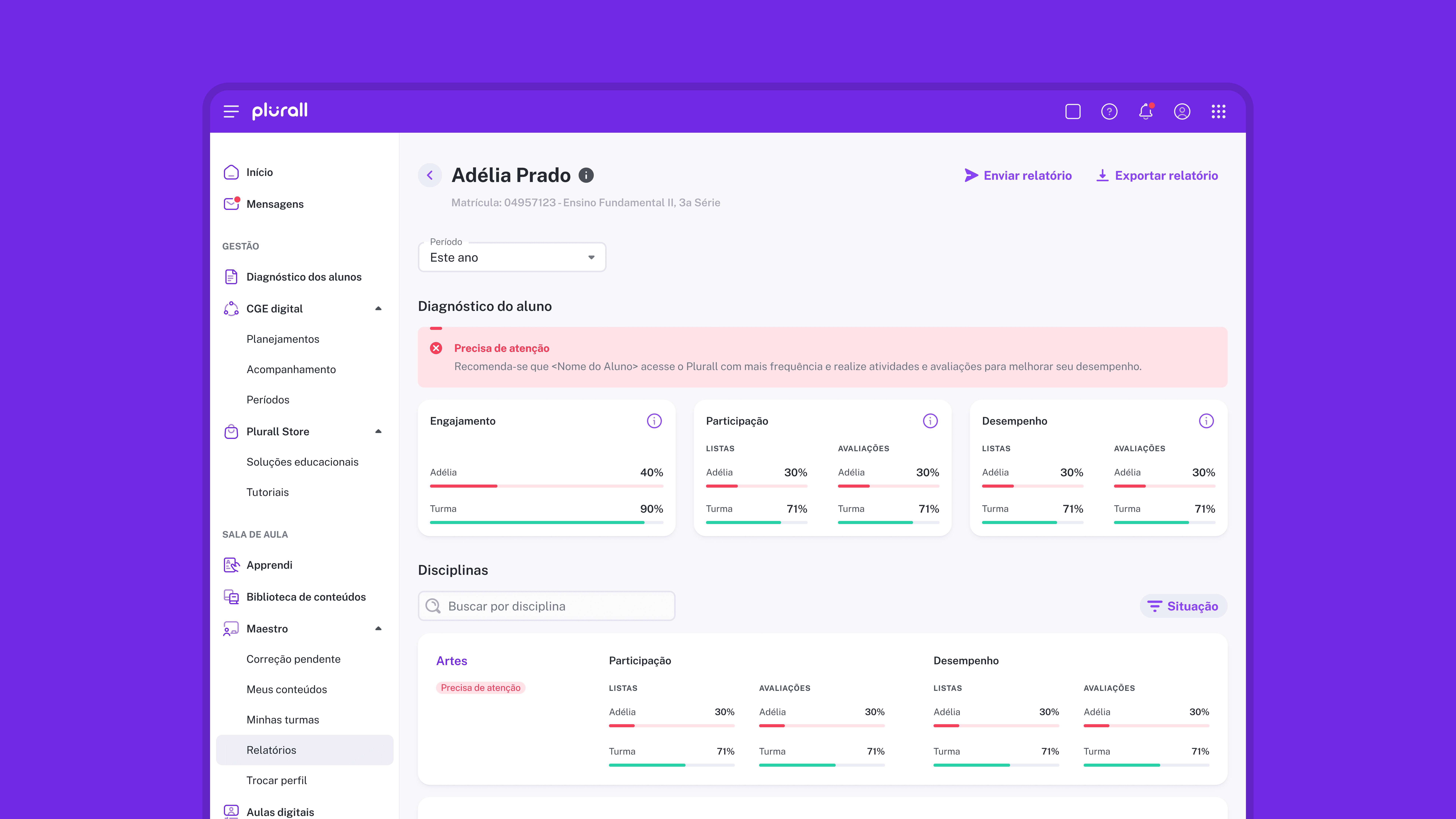
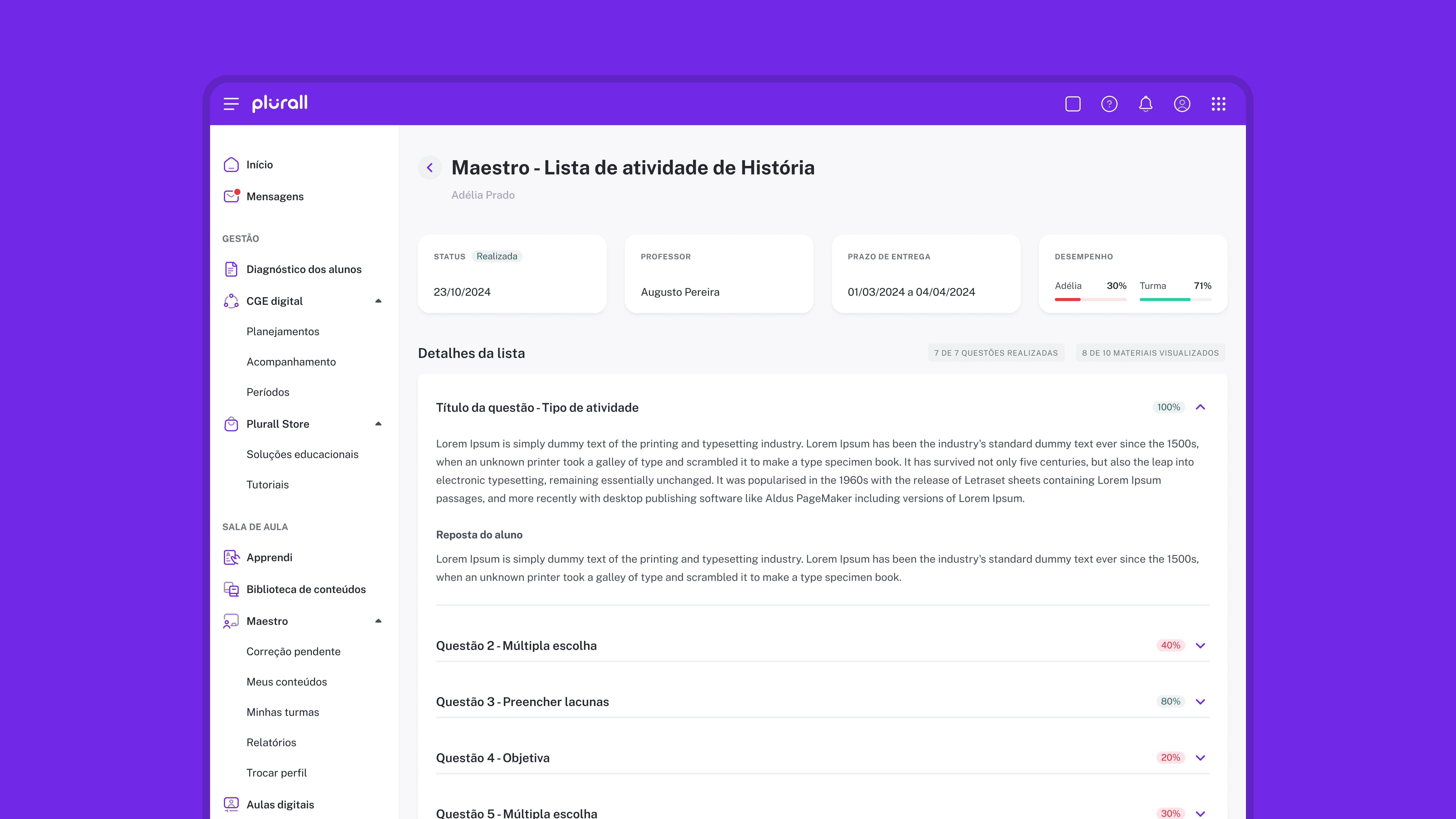
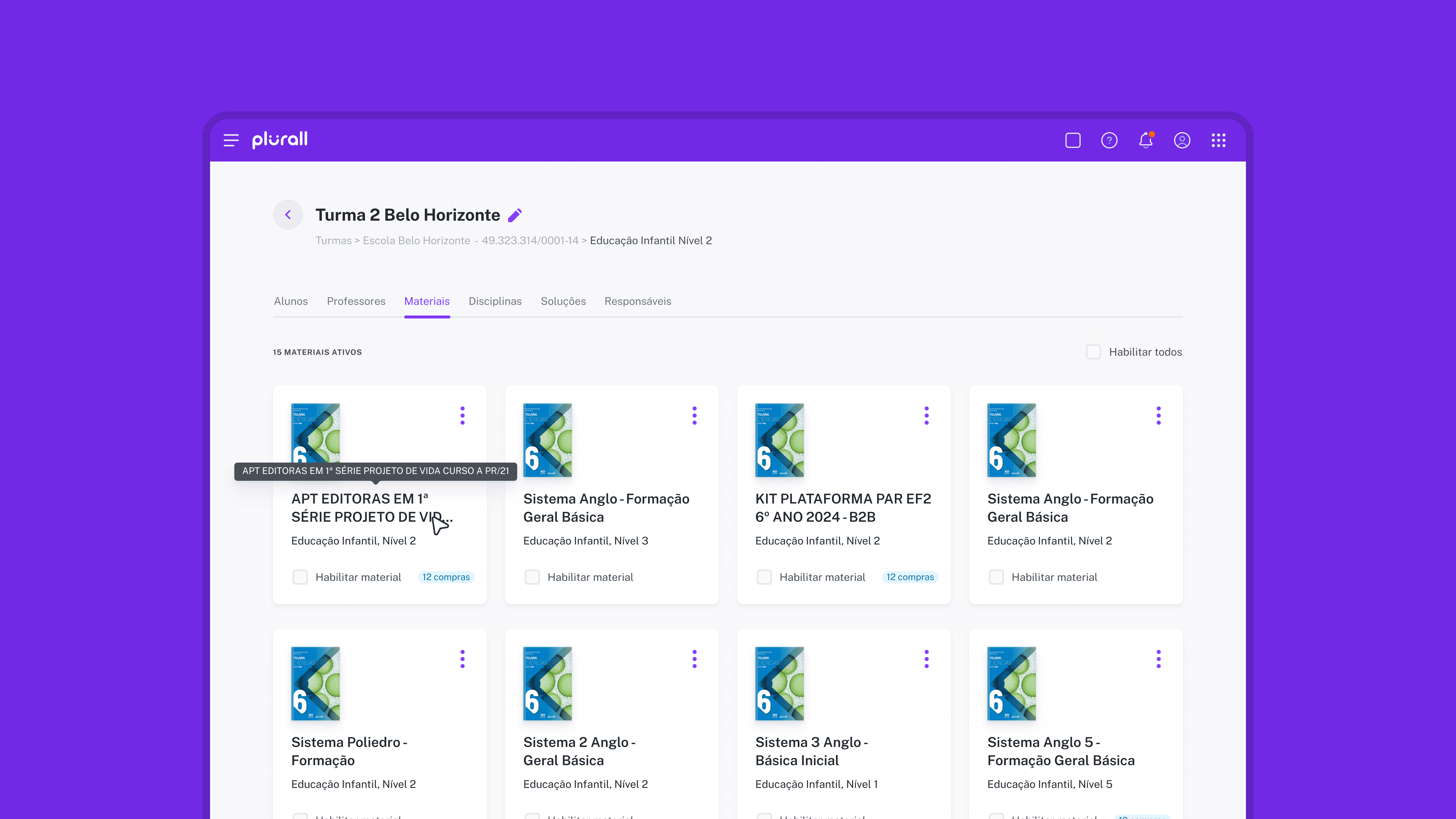
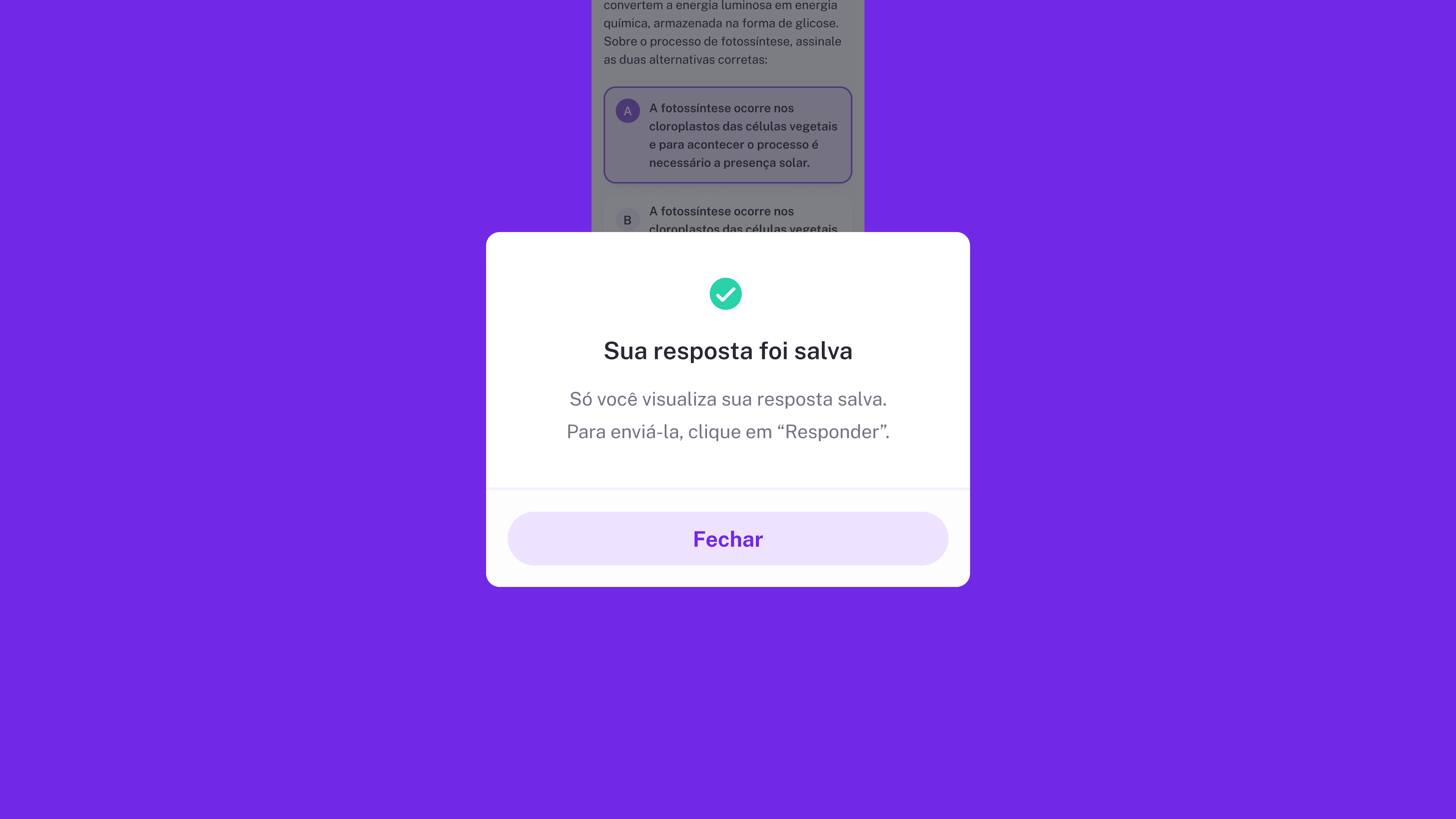
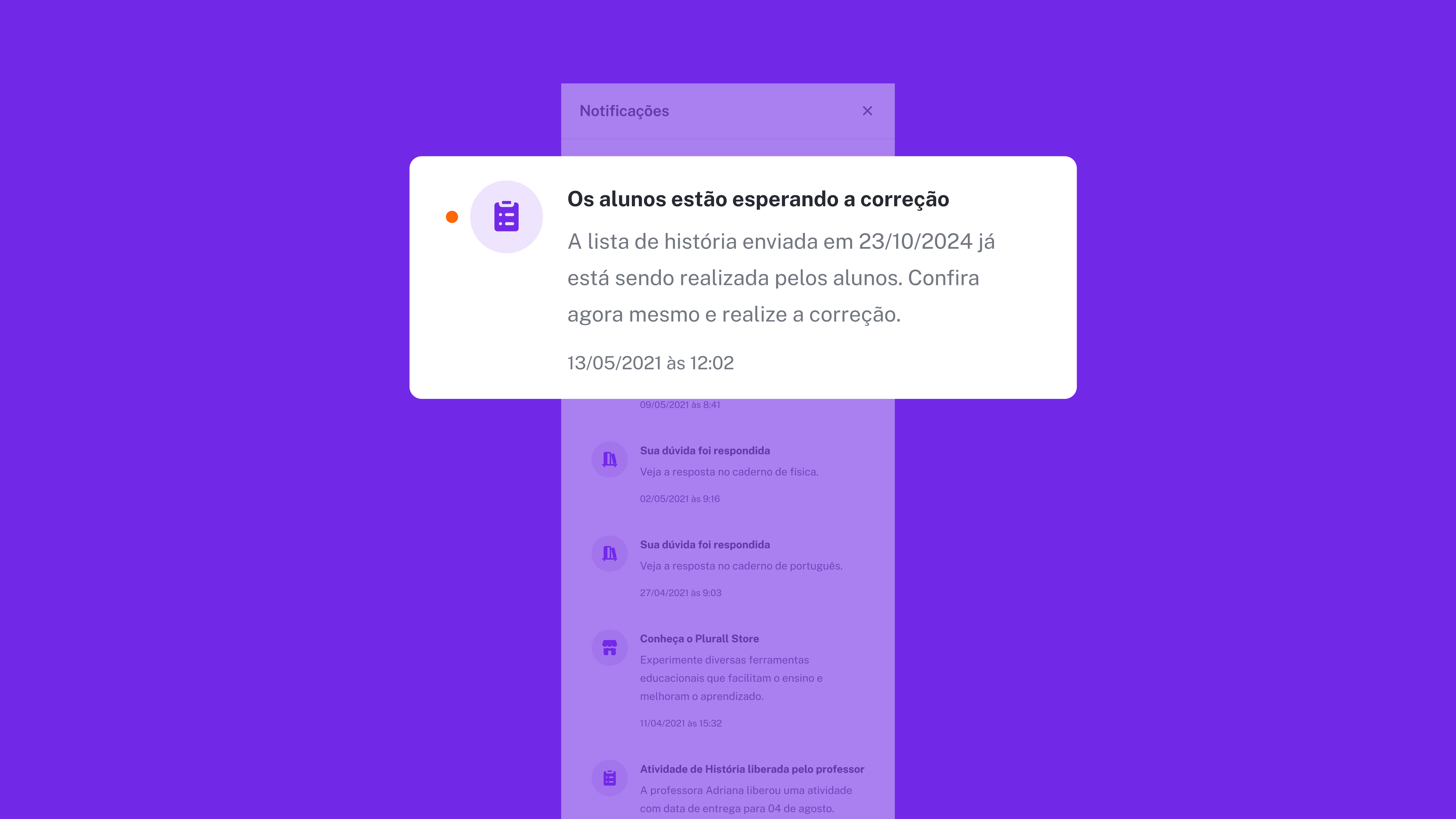
Solution & Results — The redesign brought major improvements in task visibility and communication, implementing push notifications, emails, and a more attractive, playful interface aligned with student preferences. We also collaborated with Marketing to develop training materials, ensuring teachers felt part of the change.
Key Results:
50% reduction in time-to-task (from home screen to activity list).
23% increase in activity completion rates.
App Store rating increased from 3.8 to 3.9.
Successful migration from native to Flutter.
This project reinforced my understanding of the importance of aligning technology, business, and experience—and how the root cause of a problem often hides behind the most obvious symptoms.
In 2024, as part of the iOS and Android apps team, we took on the challenge of redesigning one of our product’s core features: student activity management.
The feature was outdated in terms of technology, Design System, and overall experience. This directly impacted engagement, retention, and even the acquisition of new schools, given the product's B2B nature. Usage relied heavily on teachers, who often stopped encouraging students to use the tool due to its limitations.
Goals & Strategy — Our goal was to update the solution to the current Design System, migrate the codebase to Flutter, align user flows with the students' mental models, and make communication about activities clearer and more efficient. Beyond operational development gains, we aimed to improve the product's perceived value for schools and strengthen the teacher’s role as a key driver of student activation.
Discovery & Insights — During the discovery phase, we combined interviews with students and teachers, NPS feedback analysis, App Store reviews, benchmarking, and data analysis. Our initial hypothesis was that the pain point lay in the execution of activities. However, we discovered the problem started earlier: students didn't even know the activities existed or failed to understand their urgency.
Facing significant back-end capacity challenges, we maintained constant dialogue with technical teams to prioritize high-impact, viable changes, focusing our efforts heavily on the front-end and UX.
Solution & Results — The redesign brought major improvements in task visibility and communication, implementing push notifications, emails, and a more attractive, playful interface aligned with student preferences. We also collaborated with Marketing to develop training materials, ensuring teachers felt part of the change.
Key Results:
50% reduction in time-to-task (from home screen to activity list).
23% increase in activity completion rates.
App Store rating increased from 3.8 to 3.9.
Successful migration from native to Flutter.
This project reinforced my understanding of the importance of aligning technology, business, and experience—and how the root cause of a problem often hides behind the most obvious symptoms.